
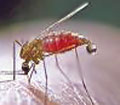
Dec 20: The most common and cheap anti-malarial drug available in India, Chloroquine, is no more effective in most of the districts in Orissa. Health department has noticed up to 90 percent discrepancy to the drugs in the state, as a result the health authority of the state is planning to phase out the drug in 2008.
According to the state health department, most of the districts in Orissa have signs of resistance of the drug against the disease and hence it has become very necessary to come up with some other second line drugs like Artesunate, Artemether and Mefloquine.
The Eastern India is largely affected by this infectious disease and has become a grave concern for the health department especially in the rural areas of the state. Now the PlasmodiumFalciparum drug confrontation and that to 90 percent represents a major health problem in malaria prevalent regions.
Transmitted by the bites of infected female Anopheles mosquitoes the disease is caused by one of the four species of Plasmodium: P. falciparum, P. vivax, P. ovale, and P. malariae. However, Plasmodium falciparum, the cause of the highest number of death has shown stiff resistance.
Commonly known as ‘brain malaria’ the P. falciparum now showed a major health danger that forced health researchers in recommending well-matched anti-malaria drugs pair (with independent mode of action) at least to effectively delay the resistance.
Though Quinine was discovered as the first effective treatment against malaria caused by falciparum, in the second half of the 20 th century there was a constant need for a substitute i.e. proved to be more effective and hence the drug Chloroquine got discovered. However, extensive use and the cause of multiple mutation or genetic reconstruction may be some of the causes of the rising resistance.
Now government has to encourage further research in understanding the resistance mechanism with the role of immunity in the therapeutic outcome that can help in developing a better low cost and reliable drug to replace Chloroquine or to improve the efficacy of the present drugs.
null
|
|







Comments: