
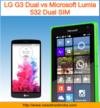
LG G3 Dual vs Microsoft Lumia 532 Dual SIM : Comparison of Features and Specification
 NI Wire, Sun, 12 Jul 2015
LG G3 Dual is the mobile device from LG with 5.5 inches screen and the resolution of the screen is 1440 x 2560 pixels pixels.
Nokia Lumia 638 vs LG G3 Dual : Comparison of Features and Specification
 NI Wire, Sun, 12 Jul 2015
Nokia Lumia 638 is the mobile device from Nokia with 4.5 inches screen and the resolution of the screen is 480 x 854 pixels pixels.
New Leak Reveals Samsung S8 Design, Release Date and More
 NI Wire, Wed, 1 Feb 2017
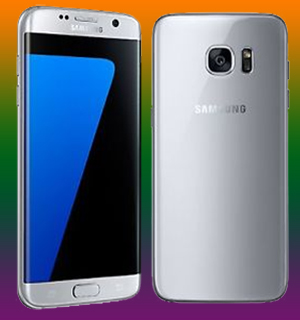
The actual Samsung S8 handset was displayed in a fresh leak along with its release date.
LG G6 to Chuck Modular Accessories and Embrace Google Assistance: Image Leaked
 NI Wire, Wed, 1 Feb 2017
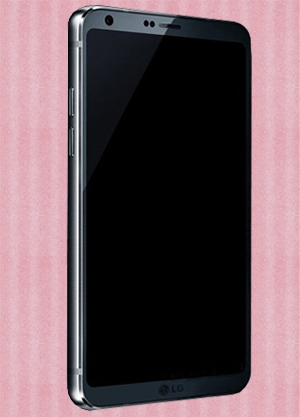
LG is all set to shed all the bloopers in its upcoming G6 model and ensure that they have the right ingredients to get the market attention and love.
Intex Aqua Amaze+ With VoLTE and Multitasking Support Launched with a Price Tag of Rs. 6290 Only
 NI Wire, Wed, 1 Feb 2017
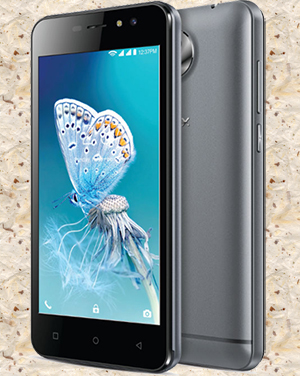
Intex has rolled out another budgeted smartphone in form of Aqua Amaze Plus on Tuesday.
Ads:


